
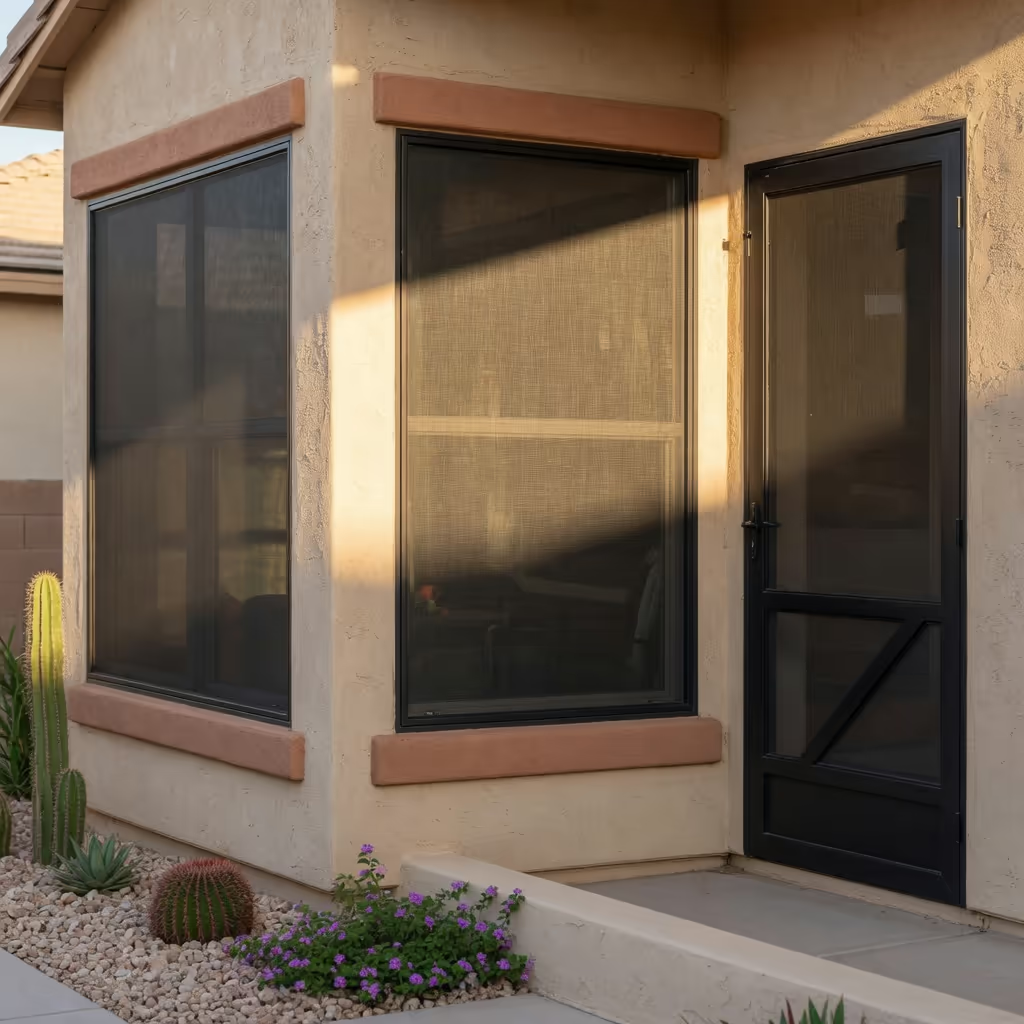
The most useful screen is the one that addresses the right problem. A hot closed-window room, an open window with insects and a door scratched by a pet are different situations. Begin with what bothers you, then compare the material and the whole assembly.
Gilbert Sunscreens provides solar screens, window screens, door screening and patio options. Specific brands, ratings, colors and construction should be discussed for the product offered in your estimate rather than assumed from a general guide.
Solar, insect and durable mesh
Swipe to compare →
| Screen priority | What to compare | Important limit |
|---|---|---|
| Sun control | Solar fabric, coverage, shade and light transmission. | A mesh rating is not a guarantee of a particular utility-bill reduction. |
| Open-window ventilation | Insect weave, view, airflow and frame fit. | Screening does not seal every other path insects can use. |
| Everyday durability | Material suited to scratching or wear, plus frame suitability. | Pet-resistant fabric is not an animal-containment or child-safety barrier. |
An insect screen mainly supports ventilation through an open window. Exterior solar screening is selected to reduce exposure at the glass. A more durable mesh may trade some openness or visibility for its material characteristics. Confirm that the frame can retain the selected fabric properly.
PNNL’s window-attachment guidance explains that exterior attachments can intercept solar energy before it reaches the window. Their effectiveness still depends on the window, coverage, exposure and product.
What does 80 versus 90 mean?
Those labels describe particular solar-screen products, not a universal measurement of room temperature or energy savings. Openness, UV blockage, visible-light transmission and solar performance are separate characteristics. Ask for the actual product specifications and compare samples.
A denser-looking fabric can change the view, daylight and airflow. A screen that suits an exposed bedroom may not be your preferred choice for a window overlooking the yard. Neither choice automatically makes the home private after dark, when lighting conditions reverse.
Useful questions include:
- Which fabric and shade options are actually available?
- How will each look from inside and outside?
- Does the screen cover all of the relevant glass?
- How does the frame attach, and can the window still operate normally?
- How will the panel be removed or accessed for cleaning?
Think about the window before choosing the fabric
Explain when the room gets uncomfortable. South- and west-facing windows can be useful starting points, but existing shade, glass size, glazing and room use all affect the decision. A partial insect screen does not shade the same area as an assembly covering the full glass.
Arched openings and unusual sizes need their own measurements. Frames, attachment points and access should suit the window rather than being forced to fit a preferred mesh sample.
For an exposed patio, compare patio screens and shades as a separate opening and structure. A shade across the patio is not automatically an insect-tight enclosure.
Frames, finishes and appearance
Compare mesh and frame colors together against the actual trim. A finish that looks right on a sample can look different across a whole row of windows. Existing frames may be reusable if they are straight, secure and appropriate for the new fabric.
Ask which profile and attachment arrangement suit the opening. Do not assume every aluminum frame is made or finished the same way. Written care instructions and any product or installation terms should describe the assembly being quoted.
Solar screens versus window tint
Exterior screens are attachments outside the glass. Window film is applied to the glass. Compare their appearance, light and view, glass compatibility, cleaning access, removability and written warranty terms rather than assuming one is always superior.
LLumar’s official glass-compatibility guidance notes that suitable films can work with dual-pane windows and most low-e glass, with product selection matched to the glazing. Blanket claims that all tint damages insulated glass or voids warranties are not a sound basis for a decision. If you are considering film, consult a film provider about the glazing and suitable products.
HOA and rebate questions
Before ordering, check whether the association wants colors, elevations, mounting details or product information for an architectural review. Arizona’s solar-device statute addresses qualifying devices and reasonable placement rules. It should not be treated as automatic approval for every screen proposal.
Rebate programs have their own current eligibility and application rules. Confirm the product, windows and documentation before counting a rebate as part of the budget. Do not assume a contractor participates in a program just because a competitor advertises it.
Window-screen safety
Ordinary insect, solar and pet-resistant screens are not fall barriers. The CPSC advises families never to depend on screens to keep children from falling out of windows. It discusses window guards, window stops and keeping furniture away from windows as separate safety measures.
Ask an appropriate qualified provider about safety products and installation that also preserve any required emergency escape. Replacing worn mesh or choosing a denser fabric does not turn a screen into a child-protection system.
Other performance claims
If noise reduction, pollen reduction or another specialty function is important, ask for documentation for the actual product and assembly. Do not assume ordinary insect screening is a tested sound barrier or an air-filtration system.
For older windows and unusual trim, fit and attachment deserve particular care. Discuss the existing material, the opening’s condition and any approval constraints. A screen should not be forced into an opening or attached in a way that conflicts with the window’s operation.
Prepare a useful estimate request
List the openings and your priorities. Approximate counts help; exact ordering measurements should be confirmed. Mention unusual shapes, difficult access or approval requirements in the optional details of your estimate request.
For existing damage, use the repair-versus-replacement guide before assuming that new mesh or a whole new assembly is necessary.