
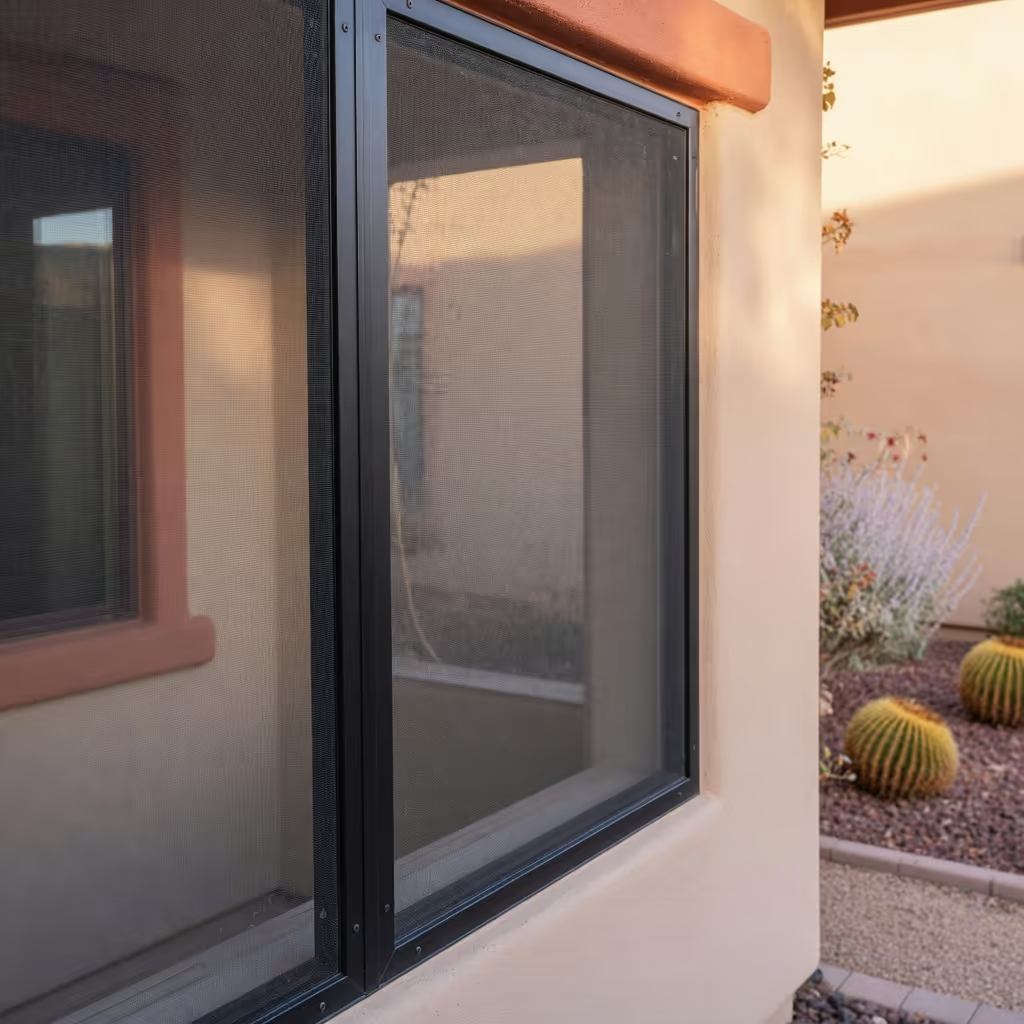
A dusty screen can soften the view and make an otherwise tidy window look neglected. Cleaning is worth doing, but the aim is to remove dirt without stretching the mesh, loosening its edges or damaging the frame.
Start with the care instructions for the installed product. Insect mesh, solar fabrics, protective screens and retractable mechanisms are not all cleaned or removed in the same way. If you do not know how an assembly releases, ask before pulling it out.
Can you clean a screen without removing it?
A light clean in place may be practical when the screen is secure, the whole area is accessible and its instructions allow that method. Work from a safe position and support the frame where appropriate. Avoid pushing the fabric toward the glass or leaning against it.
Removal can make it easier to reach both faces and see loose edges, brittle fabric or frame damage. It is not automatically safer if the window is high, the retainers are unfamiliar or the panel is awkward to handle.
A gentle cleaning sequence
- Inspect before getting it wet. Look for tears, pulled edges, bent rails and loose corners. Cleaning a fragile panel can make existing damage worse.
- Remove loose dust gently. Use a soft brush or another gentle method allowed by the product instructions. Work without dragging sharp tools across the mesh.
- Check the permitted cleaner. A mild solution may suit some materials, but the actual mesh, finish and operating parts decide what is appropriate. Do not assume an abrasive cleaner or solvent is safe.
- Clean without loading the fabric. Avoid hard scrubbing, concentrated water jets and pushing on unsupported mesh. A pressure washer is not a substitute for careful cleaning.
- Rinse and dry as instructed. Keep water away from parts that should not be soaked, and allow suitable drying before returning a removable panel to use.
- Reinstall by the frame. Check the retention and fit. A frame should not be forced into an opening or held in place by stretched fabric.
These are general care principles, not a replacement for the supplied instructions. A specialty protective assembly may need a different inspection or release procedure.
Pay attention to doors and retractable screens
Accessible slider tracks collect dirt as well as the mesh. Loose grit can affect movement, but a dragging door can also have worn rollers, a bent frame or poor alignment. Clean according to the door instructions before assuming another adjustment is the answer.
Retractable screens have housings, tracks and operating parts that need product-specific care. Do not flood the mechanism, apply a lubricant merely because it worked on another door, or open a spring-loaded housing without the appropriate knowledge. Follow the system’s instructions for wind and storage between uses.
Compare sliding screen-door options and retractable screen doors if the existing assembly is difficult to operate even after appropriate cleaning.
When cleaning is not enough
Swipe to compare →
| What you notice | Useful next step |
|---|---|
| Loose dust, with sound mesh and frame | Follow the product’s gentle cleaning instructions. |
| Several tears or brittle mesh | Discuss complete rescreening rather than another patch. |
| Bent rails, loose corners or poor fit | Have the frame assessed; new mesh alone cannot straighten it. |
| Dragging or derailing door | Check the running gear, track and frame separately from the fabric. |
If the frame is still suitable, screen repair and rescreening can renew worn mesh without automatically replacing the whole assembly. Missing or badly damaged frames may call for new window screens.
Keep safety separate from screening
An ordinary screen is not a child fall barrier. The U.S. Consumer Product Safety Commission advises families not to depend on screens to prevent falls. Window guards and stops are different products with their own installation and escape considerations.
The same distinction applies to security and golf-ball protection. A clean insect or solar screen should not be mistaken for a tested protective assembly. After damage or an impact, follow the actual product’s inspection instructions.
Storing a removable screen
If a product is intended to be removed and stored, follow its instructions. Allow suitable drying, protect the fabric from sharp objects and avoid stacking heavy items against the mesh. Keep frames and their retaining parts identified so panels are not forced into the wrong openings later.
Do not remove a protective or hard-to-access assembly simply because a season has changed. Its release method, mounting and safe access should be understood first. Inspect a stored screen before reinstalling it, including its corners, frame and retaining edge.
Getting help with a worn screen
Count the window screens and doors that need attention and describe both visible damage and operation problems. You do not need exact ordering measurements to begin a free estimate request.
The form accepts written details, not files. If you have photos that would help explain the problem, mention them so sharing can be arranged during follow-up.